Apply Grants
August 15, 2018
0
Stem Cell Therapy To Repair Human Joint Injuries With Crocodile Cartilage
Joint pain, mostly due to arthritis is the leading cause of worldwide disability, leaving twice as many as people bedridden for their entire life. With no possible cure in sight so far, the treatment possibilities of arthritis and its various types now can see the lights at the end of the tunnel because of the stem cell therapy. Earlier stem cells have been proved to be a boon for a varied chronic and debilitating diseases like that of leukemia, neurodegenerative disease, Parkinson’s disease, dementia and multiple sclerosis and not to mention the problems related to the eyes.
Treating joint injuries along with different forms of arthritis is now even easier with 3D printing in combination with stem cell therapy and crocodile cartilage. Doesn’t it sound so weird? Perhaps yes, it is not impossible though.
Read-
Arthritis And Its Treatment Procedure
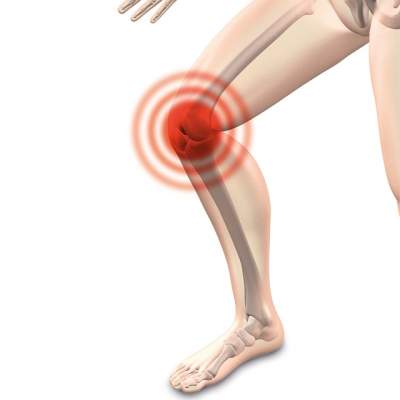

Arthritis needs a closer detection of the injury to identify its pathophysiology through arthroscopic surgery. The process of the surgery enables the identification of the injury in the cartilage, facilitating the treatment of joint injuries using the arthroscope. Arthroscope involves a small device, which needs to be inserted into the injured joint through a small incision. Although it is a non-invasive joint surgery, it does yield painful results for the victims as the recovery period is quite lengthy.
However, this little painful consequence is envisioned to be overcome using the 3D printing technology in compliance with stem cell therapy and crocodile cartilage. This new treatment procedure will help in finding a therapeutic for joint injuries due to arthritis.
The joint injuries and arthritis are highly prevalent among sports athletes, who cannot join the fields once they undergo the procedure of the arthroscope. Now, this process could be a passé and thanks to Dr. Pardraig Strappe for discovering a novel process to diagnose the ailment and treat without any minimal pain along with a faster recovery result.
How The Processes Of 3D Printing Work?
Dr. Strappe with his team of researchers from Center Queensland’ University is eyeing to activate the human immune response by using crocodile cartilage with its growth factors and turning off the proteins. The process actually turns adult stem cells into bio-print cartilage explants for the transplantation into the injured or damaged human joints. Hence, it is proof that crocodile cartilage could be a great resource to turn stem cells into human cartilage and cure joint injuries or arthritis.
Since the crocodile cartilage turns human adult stem cells sourced from bone marrow or other cells into cartilage, they can alleviate the joint pain and distress in many, especially in adult populations. Along with the development of cartilage, it seems possible to promote cartilage repair too.
After a knee injury, it is likely that the joint develops a crack or fissure in the knee or joints, which cannot heal on its own due to lack of the blood supply system in the cartilage. However, as cartilage develops a crack, it eventually becomes a hole, this needs a treatment.
Read-
So, by using a 3D printing, we can have an exact graph of the injury that mimics the hole in the 3D printing, making it clear for the surgeons to fill the gap easily.
Why Crocodile Is The First Choice?
The crocodile has a larger amount of growth promoting compounds like proteoglycan in the cartilage. And the compound is highly available near the rib cage. Hence, the resource for joint injuries or arthritis is immense. This is the first focused report conducted by the Commonwealth Scientific and Industrial Research Organization (CSRIO), which makes it possible for a crocodile to have varied movement procedure using their articulating joints. So, this cartilage is useful to turn stem cells into active cartilage and to be used as a human cartilage in the joints.
Now, the focus will be on the availability of the procedure that will relieve the tensions of arthroscopic surgery in no time, and enable us to live a happy life without the fear of disability.
stem cell therapy for knee arthritis, adult stem cells, glioblastoma cure, proteins functions, stem cell therapy for joint injuries, stem cell therapy for joint disorder,stem cell therapy bare lymphocyte syndrome,stem cell therapy heart transplant, mesenchymal stem cells,neural stem cell differentiation